Infrastructure & Security
Anyone can say they operate like an IT department. Capital equipment is not a claim. Here is the infrastructure that runs underneath every engagement — and why it exists at all.
Most of what an IT department does never looks like work — until it's missing.
An independent contractor arrives with a laptop and works on your equipment. That model is fine for work you know you need. It has no answer for the work nobody thought to ask about.
Monitoring that runs at two in the morning. Backups verified by an actual restore rather than a successful job report. Patch cycles, lifecycle tracking, and renewals that surface before the window closes. Documentation that stays current after the project ends. These are standing functions, and they require standing infrastructure.
That is what the rest of this page is. Not a product catalog — the platform that makes continuous accountability possible instead of aspirational.
If one carrier, vendor, or firewall platform fails, your systems don't.
Redundancy and isolation at every layer — not a single point of failure end to end.
No single organization of the size we work with could justify building this alone. We built it once, and it stands behind every engagement. That is the logic behind every piece of technology we run — and it is worth being clear that the infrastructure is not our profit center. Our business runs on the monthly professional-services relationship. Everything here exists for your convenience, not as a separate thing you are obligated to buy.
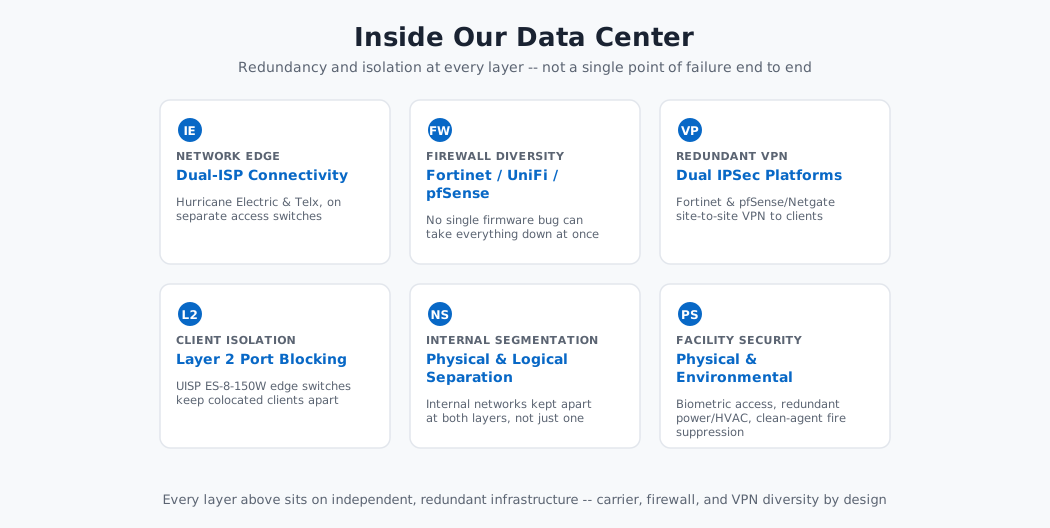
A breach at any single point doesn't mean a breach of everything.
The standard security stack we run at every client site — watched, filtered, and contained at each step.
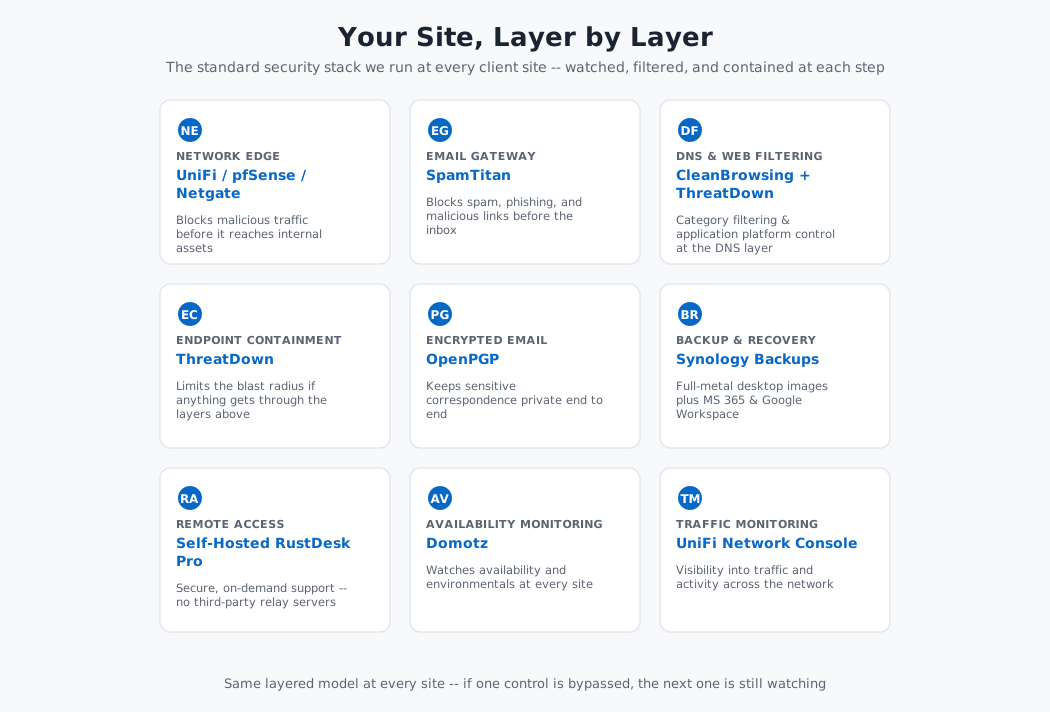
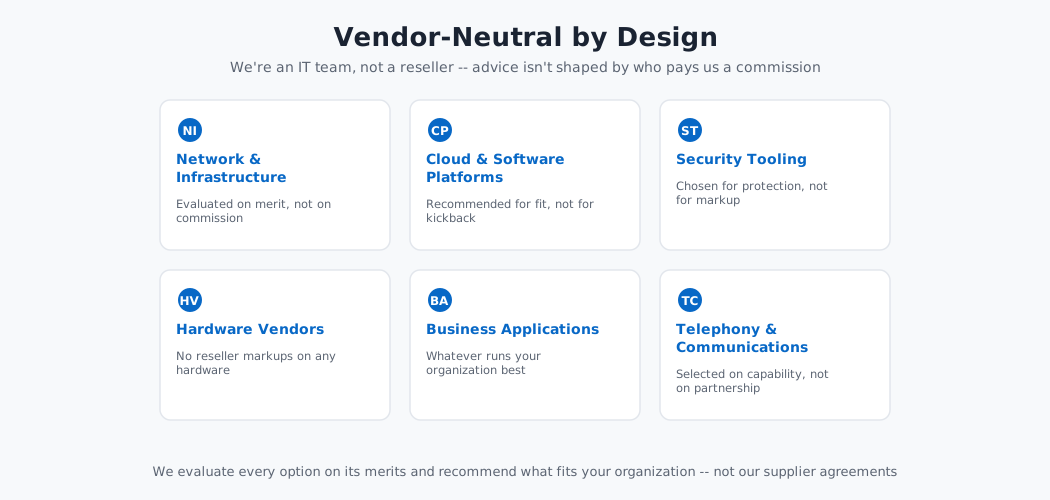
Our recommendations are shaped by your risk, not our commission check.
We hold no manufacturer agreements, sell no hardware, and take no commissions — so there is no product we make more money recommending.
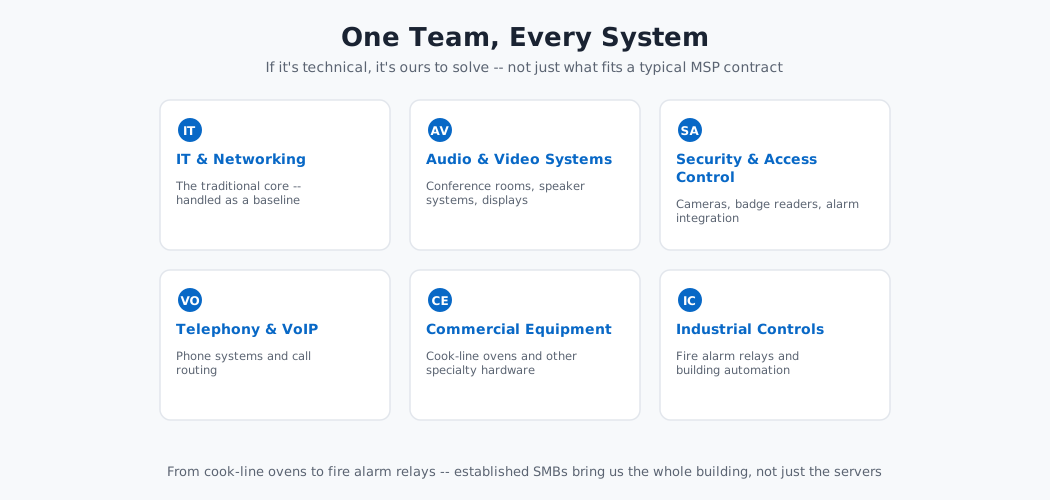
One relationship covers what would otherwise take three or four separate vendors.
If it's technical, it's ours to solve — not just what fits a typical MSP contract.
Even if one control fails, the next one is still working.
No single layer is your only protection — every layer is hardened independently.
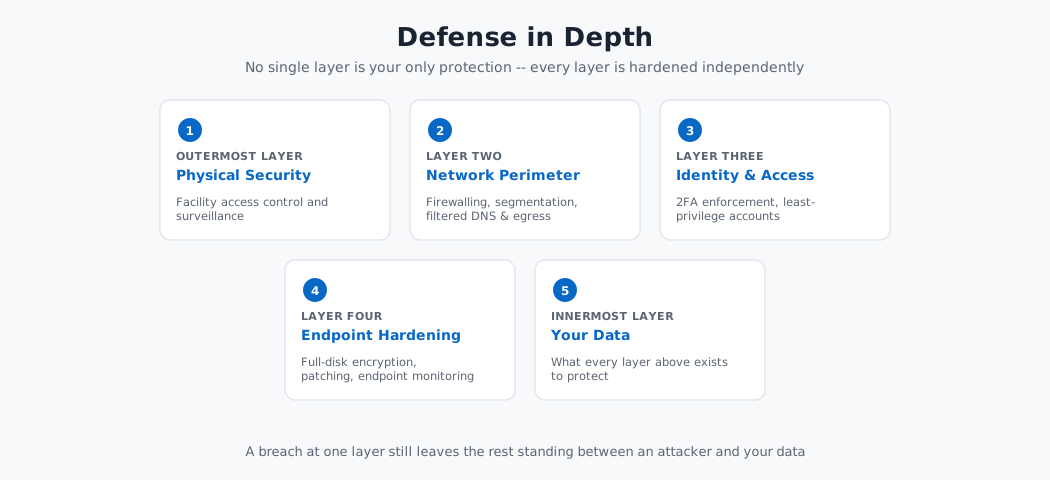
The reasoning behind this architecture is published in full — eleven control categories in six layers, why each sits where it does, and how a single phishing attempt meets five independent chances to end. Read the paper →
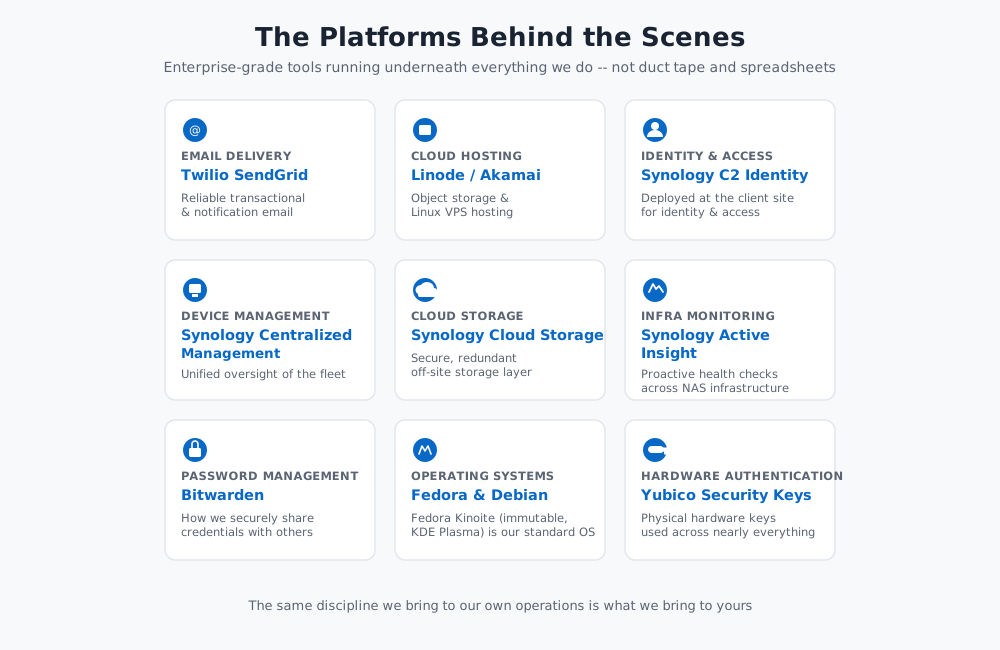
The same operational discipline we run internally is what runs your environment.
Enterprise-grade tools running underneath everything we do — not duct tape and spreadsheets.
We work with a limited number of North Texas organizations each year to ensure focus and long-term partnership. Initial consultations are confidential.
Schedule a Consultation